When I was 18, I had the opportunity to go on the Cincinnati community March of the Living trip. The trip transformed the trajectory of my life. I’ll never forget standing under the gates of Auschwitz, mourning Israel’s fallen soldiers and victims of terror at a community center, and dancing all night to celebrate the existence of Israel in the world. The trip connected me deeply to my own Jewish identity, and it empowered my voice in the conversation about what it means to be Jewish in the future.
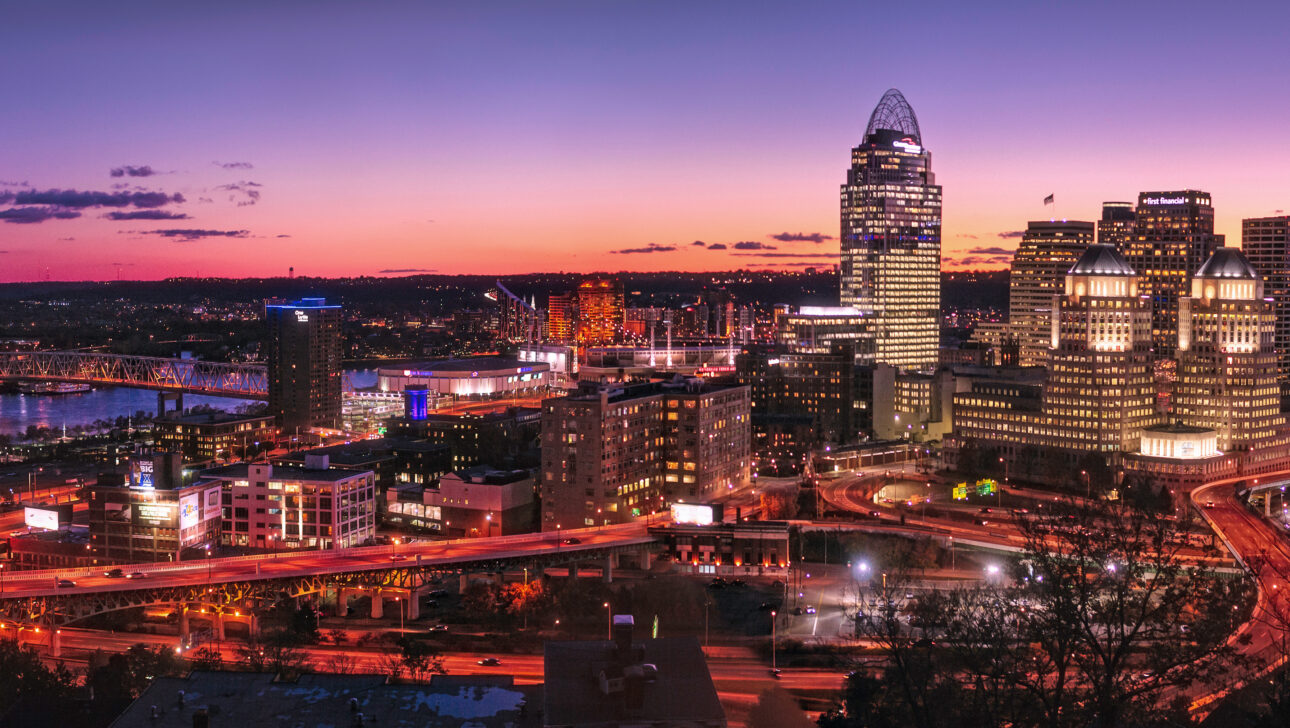
I think of that trip every year during April/May, and I’m comforted to know Cincinnati’s March of the Living delegation still marches each year. It also feels incredibly powerful to bring these holy days to life back here in Cincinnati at the JCC. In recent years, it has felt harder and harder to be an American Jew. The “Yoms” (the Modern Israeli Holidays) are more complicated, our community is more divided, and our place in American society feels on less sturdy ground. This year, however, we’re launching the inaugural Z3 @ Cincinnati, alongside our partners at the Jewish Federation of Cincinnati, to navigate these stormy times together.
The Z3 movement started out of the Oshman Family JCC (OFJCC) in Palo Alto, California to reimagine the next chapter of Zionism. Z3 believes that Jewish communities in Israel and the Diaspora can, and must, lead, shape, and take ownership of their identities, institutions, and shared future. We are proud to be one of eight Z3 conferences around the country, creating spaces to foster dynamic debate, enriching learning experiences, and personal and communal exploration of Zionism and Jewish life today.
In writing about the need for Z3, OFJCC CEO Zack Bodner wrote, “We need a Zionism which recognizes that the US is not a way station to Israel, which recognizes the importance of the American Jewish community in its Americanness. And we need a Zionism which encapsulates our connection to Zion which is not quite a yearning to be there.” Bodner goes on to share Rav Joseph Soloveitchik’s retelling of a Talmudic story about a father coming to his rabbi to ask for two blessings for his eldest son. The rabbi asked why two blessings if there was only one son. The father replied that his son had been born with two heads. The rabbi pondered whether the person was one or two, and he decided to offer a solution to the problem. He suggested they pour hot water over one of the heads, and if the other cried out in pain, then it was indeed one person. But if the other didn’t cry out in pain, then they were two separate entities. This story encapsulates Bodner’s conception of Jewish Peoplehood: that we are all responsible for one another and feel each other’s pain.
This story doesn’t mean we all need to agree. In fact, I believe disagreement is what makes us stronger, more adaptive, and more creative as a people! What matters is that we engage, stay in the room when it’s hard, and treat fellow Jews as equal partners in the work. This is exactly what Z3 aspires to do, and I’m thrilled to bring this experience to our community.
Throughout the day, you can participate in four panel discussions, including a discussion with US congressional representatives, Millennial and Gen Z voices, and policy experts on the future of the two-state solution. There’s also a shuk (market) of handmade products from Israel. As a spiritual highpoint, we have the privilege to hear Omer Shem Tov’s inspirational story of resilience and positivity as an act of resistance. I hope you’ll join us for this incredible day.
When I was on March of the Living, we were told that we are the Jewish future. During this month of the “Yoms,” may we all find the strength, courage, and hope to work together for the future we dream for Israel, American Jews, and Jews across the globe.