As the tree in our front lawn begins to bud and the daylight stretches a little longer each evening, we can feel winter slowly loosening its grip. Spring is on the horizon. In Jewish life, that seasonal shift is marked by the approach of Passover, a holiday that invites both preparation and renewal.
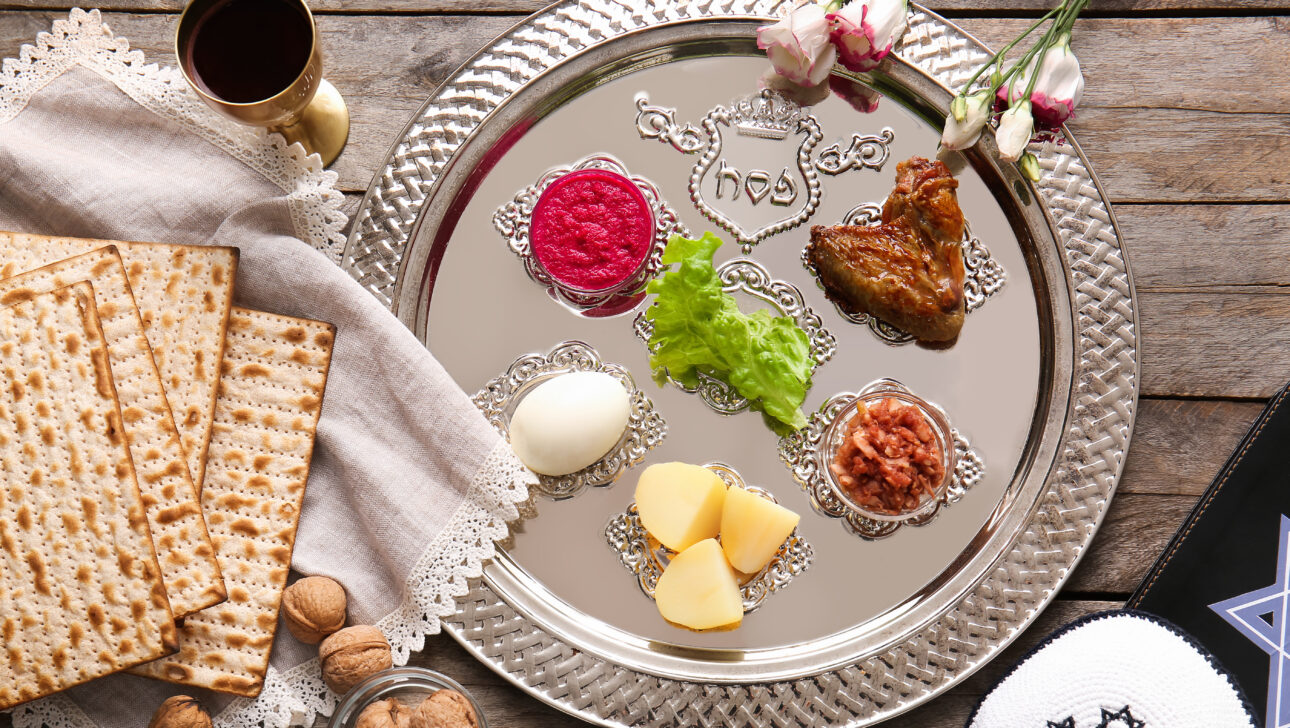
One of the central practices of Passover is avoiding chametz—foods made from grain that have risen or fermented, such as bread, pasta, and many baked goods. During the eight days of the holiday, Jews instead eat matzah, an unleavened bread made from the same simple ingredients as bread but baked before it has time to rise.
But observing Passover isn’t just about changing what we eat. For many Jewish households, it involves a full transformation of the kitchen, and sometimes, the whole home. Dishes and cookware that are used all year are put away and replaced with “Passover dishes,” items reserved just for this holiday. Every surface is cleaned carefully to make sure there isn’t even a crumb of chametz left behind.
It’s a bit like spring cleaning, but deeper, more intentional, and connected to a specific moment in time. Preparing for Passover becomes a physical act of resetting our spaces. Yet the tradition doesn’t stop at cleaning the house. Jewish teachers for centuries have understood that this practice also carries a powerful spiritual message.
Ancient rabbis often connected chametz, the bread that puffs up as it rises, with the human tendency toward ego or the yetzer hara, the impulse that can lead us astray. Matzah and chametz are made from the exact same ingredients: flour and water. The difference is simply time and air. One remains flat and simple; the other expands.
In this way, matzah comes to represent humility, simplicity, and clarity. Chametz, by contrast, symbolizes the ways our lives can become overinflated through our egos, distractions, grudges, and habits that accumulate over time.
This season, whether you clear out the chametz from your home or not, what if you take this time to clear space within ourselves. What habits are we holding onto that no longer serve us? What frustrations or worries have been lingering too long? What might we clear away to make room for something better?
This verse is connected to one of the most meaningful Passover preparations, called bedikat chametz, the “search for chametz.” On the evening before Passover begins, families traditionally walk through their homes with a candle, a feather, and a small wooden spoon. By candlelight, they search for any remaining crumbs of chametz, carefully collecting them so they can be removed before the holiday begins.
Just as the candlelight reveals hidden crumbs in the corners of a room, we are invited to gently examine the hidden corners of our own lives. Jewish tradition beautifully captures this idea in a verse from the Book of Proverbs:
“The candle of the Lord is the soul of the human being; it searches the innermost recesses.” (Proverbs 20:27)
For Jews and non-Jews alike, this season offers a universal invitation. As nature renews itself and the days grow brighter, we can take a moment to pause, reset, and refresh. Whether you’re at the J for fitness or swimming, 60 and Better programming or to play maj in the café, the J is a place where you can come, we can all take wisdom from this practice as we cross through our doors and connect to something greater.
Whether you’re scrubbing a countertop, opening the windows for the first warm breeze, or simply taking a moment to breathe in the feeling of spring returning, this time of year reminds us of something powerful: Sometimes the best way to welcome something new is to make a little space for it first.